
Welcome Offer: 15% Off Your First Purchase

What to Do When Your Cat or Dog Is Scared: 5 Gentle Ways to Help Your Pet Feel Safe Again

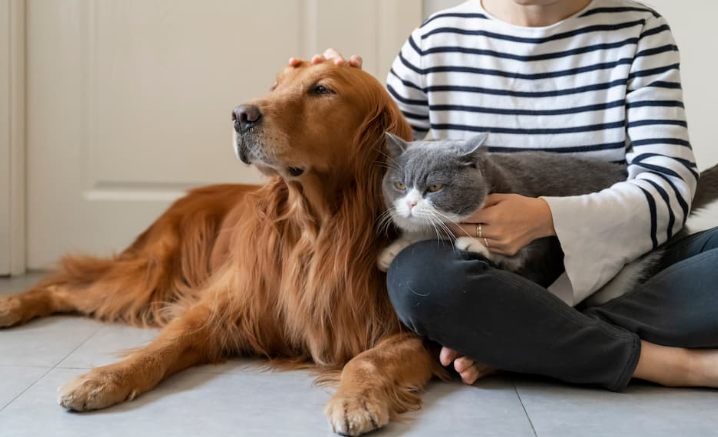
When a cat or dog gets frightened, you may notice them hiding in a corner, avoiding people, refusing to interact, eating less, or becoming unusually alert.
Your first instinct may be to comfort them by picking them up, calling their name, or trying to get them out of hiding. However, when a pet is scared, more attention does not always mean more comfort.
In many cases, the most helpful approach is to reduce stimulation, give your pet space, and let them decide when they are ready to interact again.
Every pet responds differently to stressful experiences. Some may recover within a few hours, while others need several days or longer. The following steps can help create a calmer environment while your pet gradually regains a sense of security.
What Does Stress Look Like in Cats and Dogs?
A frightened pet may show different behaviors depending on their personality, past experiences, and the intensity of the stressful event.
Milder signs may include:
- Hiding or avoiding people
- Staying alert and watching their surroundings
- Moving away when approached
- Eating or drinking only when the environment is quiet
More noticeable signs of fear or stress can include:
- A tense or lowered body posture
- Trying to escape or hide
- Refusing interaction
- Changes in sleeping habits
- Reduced appetite
- Increased sensitivity to sounds or movement
Severe or persistent changes should not automatically be assumed to be behavioral stress. If your pet seems unusually lethargic, refuses food or water for a prolonged period, has difficulty breathing, experiences repeated vomiting or diarrhea, appears to be in pain, or may have been injured or poisoned, contact a veterinarian promptly.

1. Create a Safe, Quiet Space
The first step is simple: give your pet somewhere they can retreat without being disturbed.
Choose a quiet area with limited foot traffic and provide a familiar bed, blanket, crate, or hiding spot.
Try not to completely rearrange the area right after a stressful event. Familiar surroundings and scents can help maintain a sense of familiarity.
Keep food and fresh water in consistent, easy-to-access locations so your pet can eat and drink when they feel comfortable. Avoid forcing them to come closer to you in order to reach their food or water.
For everyday routines, personalized pet bowls can also add a small sense of familiarity and ownership to mealtimes. A food or water bowl customized with your pet’s name can make their everyday space feel a little more personal.
A Bowl Made Just for Your Pet
Make mealtime a little more personal with a personalized pet food or water bowl featuring your pet’s name.
It is designed as an everyday pet accessory—not a treatment for stress—but it can be a fun way to give your pet a dedicated place for their daily meals and water.

2. Stay Nearby Without Forcing Interaction
When a pet is frightened, constant attention can sometimes make them more uncomfortable.
Avoid staring at them, repeatedly calling their name, reaching into their hiding place, or following them around the room.
Instead, stay nearby at a comfortable distance and quietly do your own thing. You can read, work, or simply sit in the same room without focusing all your attention on your pet.
This gives them an opportunity to become comfortable with your presence again without feeling pressured.
If they choose to come closer, you can offer a small treat or calmly acknowledge them.
Pay attention to their body language. If they retreat, freeze, crouch, or hide again, give them more space.
The goal is not to make your pet interact with you. The goal is to help them learn that your presence does not mean they are going to be forced into interaction.
3. Let Your Pet Choose When to Come Closer
Once your pet begins eating normally around you, moving around more comfortably, or watching you without immediately running away, you can gradually allow more interaction.
However, there is still no need to rush.
Move slowly and avoid leaning over your pet or reaching toward them suddenly. Speaking in a calm, familiar voice can help them become comfortable with your presence again.
If your pet approaches you, let them decide how close they want to get.
If they move away, stop and give them space rather than following them.
This is especially important with cats, which may prefer to approach on their own terms, but it also applies to dogs that become nervous after a frightening experience.
4. Rebuild Physical Contact Gradually
Once your pet willingly approaches you and appears relaxed, you can slowly reintroduce physical interaction.
One low-pressure option is to place a treat near your hand and allow your pet to decide whether to approach.
If they are comfortable, you can gradually return to brief, gentle touches.
Keep these interactions short at first.
Watch for signs that your pet wants to stop, such as moving away, becoming tense, lowering their body, turning their head away, or returning to their hiding spot.
If that happens, stop the interaction.
You do not need to achieve a complete recovery in one session. Short, calm, positive experiences are often more useful than prolonged interaction that makes your pet uncomfortable.
5. Slowly Return to Normal Daily Life
Once your pet seems more relaxed, gradually return to your normal household routine.
This can include:
- Normal movement around the home
- Regular feeding times
- Everyday household sounds
- Short play sessions
- Normal interaction with family members
- Familiar daily routines
There is no need to keep the entire household silent forever.
Instead, allow your pet to gradually experience normal activities at a level they can handle.
The goal is to help them understand that ordinary sounds, movement, and routines are safe again.
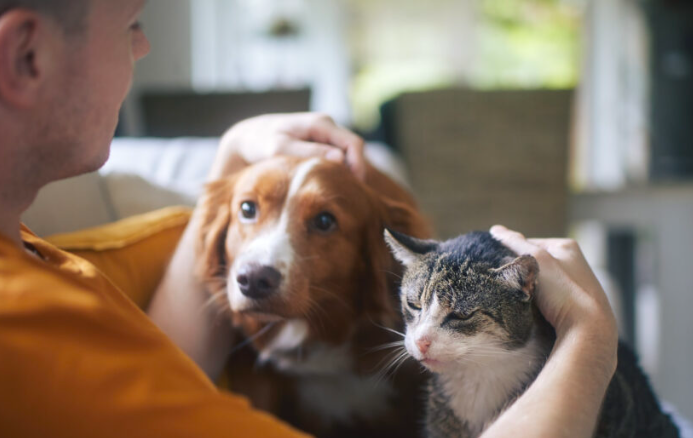
Things to Avoid When Your Pet Is Scared
Some well-intentioned actions can actually increase stress.
Don’t Pull Your Pet Out of Hiding
If the hiding place is safe, allow your pet to stay there for a while. Hiding can be a way for an anxious pet to create distance from whatever frightened them.
Don’t Crowd Them
Avoid having several people gather around the pet, especially if some of them are unfamiliar.
Don’t Scold or Punish Fearful Behavior
A frightened pet is not necessarily being stubborn or disobedient. Yelling or punishment can make the stressful situation even more frightening.
Don’t Add Unnecessary Stress
If possible, avoid unnecessary baths, grooming, travel, or other stressful activities immediately after a frightening event.
Don’t Overreact When They Finally Come Out
Seeing your pet come out of hiding can be encouraging, but that does not necessarily mean they are completely relaxed.
Let them continue at their own pace.
When Should You Contact a Veterinarian?
A short period of hiding or caution after a frightening event may improve as your pet feels safer.
However, some signs should not simply be attributed to stress.
Consider contacting a veterinarian if your pet:
- Becomes unusually lethargic
- Continues refusing food or water
- Has repeated vomiting or diarrhea
- Has abnormal breathing
- Shows signs of pain or injury
- Remains extremely frightened or distressed
- Displays unusual self-injurious or aggressive behavior
- May have been poisoned or swallowed something dangerous
If you are unsure whether your pet’s behavior is within a normal range after a stressful event, professional advice is the safest way to determine what is happening.
The Most Important Thing: Give Your Pet Time
Helping a frightened pet recover is not about forcing them to become friendly again as quickly as possible.
It is about rebuilding a sense of safety.
Give them a quiet place to retreat, keep their daily routine as predictable as possible, avoid forced interaction, and allow them to decide when they are ready to come closer.
Some pets recover quickly. Others need more time.
There is no universal timeline, and comparing your pet’s recovery with another animal’s is not helpful.
The more your pet learns that they have space, choice, and a predictable environment, the easier it can be for them to gradually return to their normal routine.
And sometimes, the little things matter too—a familiar bed, a regular feeding spot, a favorite toy, or even a personalized bowl with their name on it can become part of the everyday environment that feels uniquely theirs.
Because when your pet feels safe, they can begin to feel like themselves again.